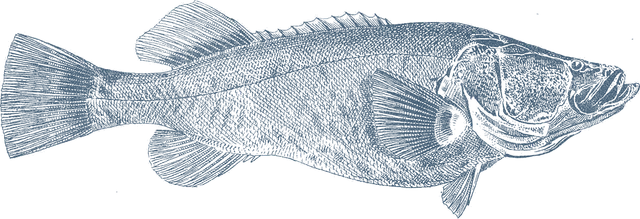

Where they live


- Size
- Commonly 30–45 cm; a 50 cm river bass is a fish of a lifetime.
- Where
- QLD · NSW · VIC
- Habitat
- Coastal rivers from south-east Queensland to Gippsland. Adults run down to brackish water to spawn in winter and push back upstream after. Stocked in many coastal dams, where they can't breed but grow fat.
- When
- River bass fire from spring into autumn. Impoundment bass school deep in winter and bite on blades and plastics.
- Lifespan
- Over 20 years. They grow slowly — a 40 cm river bass may be well into its teens.
- Diet
- Insects (cicadas, beetles, moths, dragonflies), shrimp, prawns, small fish and frogs.
- Breeding
- Winter. Adults run downstream to brackish water in the estuaries to spawn, then return upstream in spring.
- Matures
- Around 4–6 years.
- Eating
- Fair, mild and white — but almost every bass angler releases them.
Drainage map
- North East Coast
- South East Coast (NSW)
- South East Coast (Victoria)
Shaded by drainage division — the area draining to one sea or basin. Australian bass live somewhere in each shaded division, not everywhere in it.
Boundaries: ABS · CC BY 4.0
The fish
Australian bass are the sportfish of the east coast's rivers. They live in fresh water most of the year, but each winter adults migrate downstream to the brackish upper estuary to spawn. The eggs and larvae need salt; the young then work their way upstream through spring and summer, some travelling hundreds of kilometres to the headwaters.
Bass are ambush predators that love overhead cover — casuarinas and willows leaning over the water, fallen trees, rock walls and lily pads. They feed heavily off the surface, and the cicada hatch in early summer can drive them into a frenzy. Big bass are cagey, though: they live in the thickest cover, hit hard and head straight back into it.
In impoundments they can't reach salt water to breed, so dam populations are entirely stocked. Freed from the spawning run, they grow fat and school up through winter in deep water, where they're caught on blades and plastics with a sounder.
Telling them apart
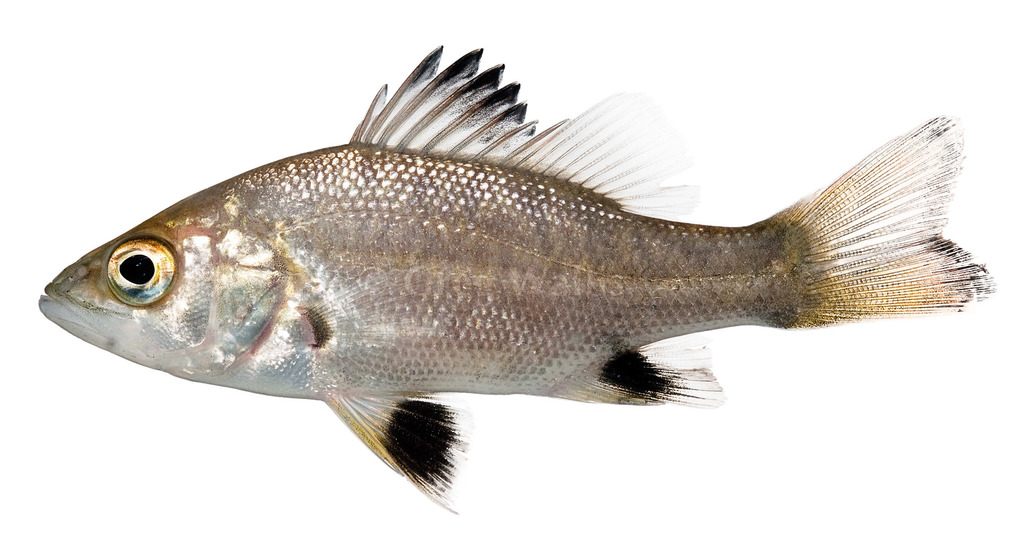
- Bronze, olive or greenish-gold back, fading to silvery-white or cream sides.
- Rounded head with a straight to slightly rounded forehead.
- Large mouth reaching back to below the eye.
- Spiny dorsal fin joined to the soft dorsal by a deep notch; slightly forked tail.
- Eye often reddish in clear-water fish.
Easily confused with

Concave forehead, longer pointed snout and a paler, silvery body. EPs live lower in the estuary.

Small head and mouth, forked tail, inland rivers only.
How they're fished
Surface lures at dawn and dusk along overhanging cover, small spinnerbaits and beetle-spins tight to timber, and in dams blades and soft plastics worked deep on schooled fish through winter.
When: River bass fire from spring into autumn. Impoundment bass school deep in winter and bite on blades and plastics.
Tips from the water
- Cast tight under overhanging trees — most strikes come within a metre or two of the cover.
- Fish surface lures at first and last light, and through the night in summer.
- When cicadas are singing, a cicada imitation twitched on the surface is hard to beat.
- Kayaks and canoes are the best way to fish the upper rivers quietly.
- In dams in winter, find the school on the sounder and work blades or plastics vertically through it.
- Fresh water after summer rain can turn the river on — fish the dirty-water edges.
- Rod
- 6'–6'6" spin or baitcast rod, 1–4 kg for rivers, 3–6 kg for dam fish in timber.
- Reel
- 1000–2500 spin reel or a small baitcaster.
- Line
- 6–12 lb braid.
- Leader
- 8–14 lb fluorocarbon; heavier around oysters and timber.
- Surface walkers, poppers, fizzers and cicada imitations
- Beetle-spins and small spinnerbaits
- Shallow and mid-diving hard-bodies, 40–60 mm
- Soft plastics — grubs and paddle-tails
- Blades (metal vibes) for schooled dam fish
- Flies: poppers, Dahlberg divers and bead-head streamers
- Live shrimp
- Crickets and cicadas
- Live prawns in the upper estuary
- Worms
Through the year
- Sep–NovBass push back upstream after spawning, hungry and spreading out. Rivers come alive.
- Dec–FebPrime surface season. Cicada hatches, dawn and dusk, and warm nights.
- Mar–AprPre-spawn feeding; big fish feed up before the run downstream.
- May–AugRiver bass are catch-and-release only in NSW. Dam bass school deep — blades and plastics on the sounder.
Waters to know
| Water | State | Why |
|---|---|---|
| Hawkesbury–Nepean and Colo rivers | NSW | Sydney's bass rivers, from the gorges to the tidal reaches. |
| Shoalhaven River | NSW | Long gorges and wild bass. |
| Clyde, Moruya and Tuross rivers | NSW | South-coast rivers with bass in the upper reaches. |
| Manning, Macleay and Clarence rivers | NSW | Big north-coast bass rivers. |
| Glenbawn Dam | NSW | Stocked impoundment famous for big bass. |
| Lake St Clair | NSW | Hunter Valley stocked dam. |
| Somerset and Wivenhoe dams | QLD | SIPS dams with huge winter bass schools. |
| Borumba, Maroon and Moogerah dams | QLD | South-east Queensland impoundment bass. |
| Snowy and East Gippsland rivers | VIC | The southern end of the range. |
Access, boating and bait rules differ from water to water — check before you go.
Australian bass in Australian water
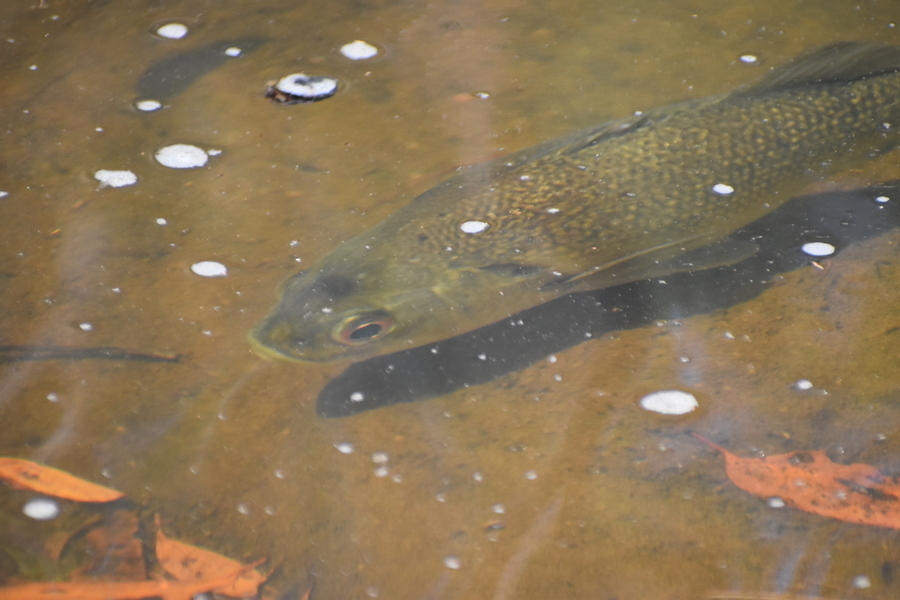
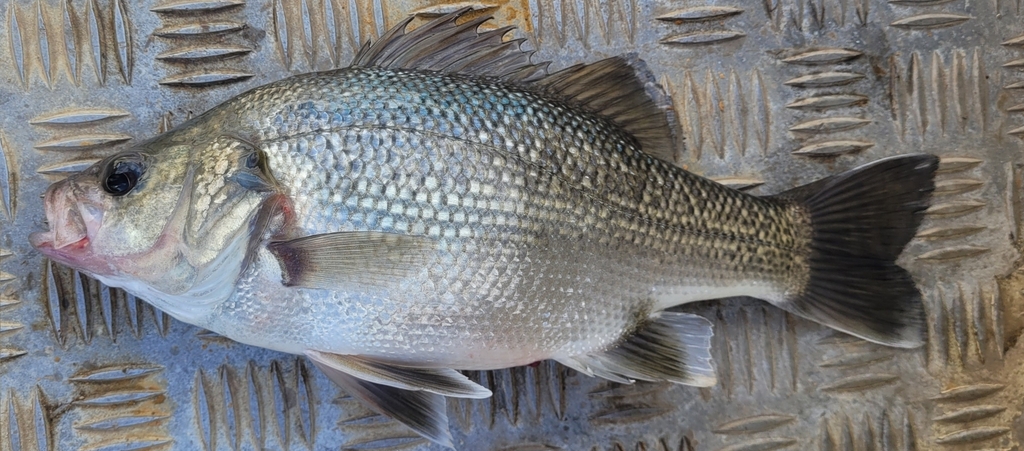
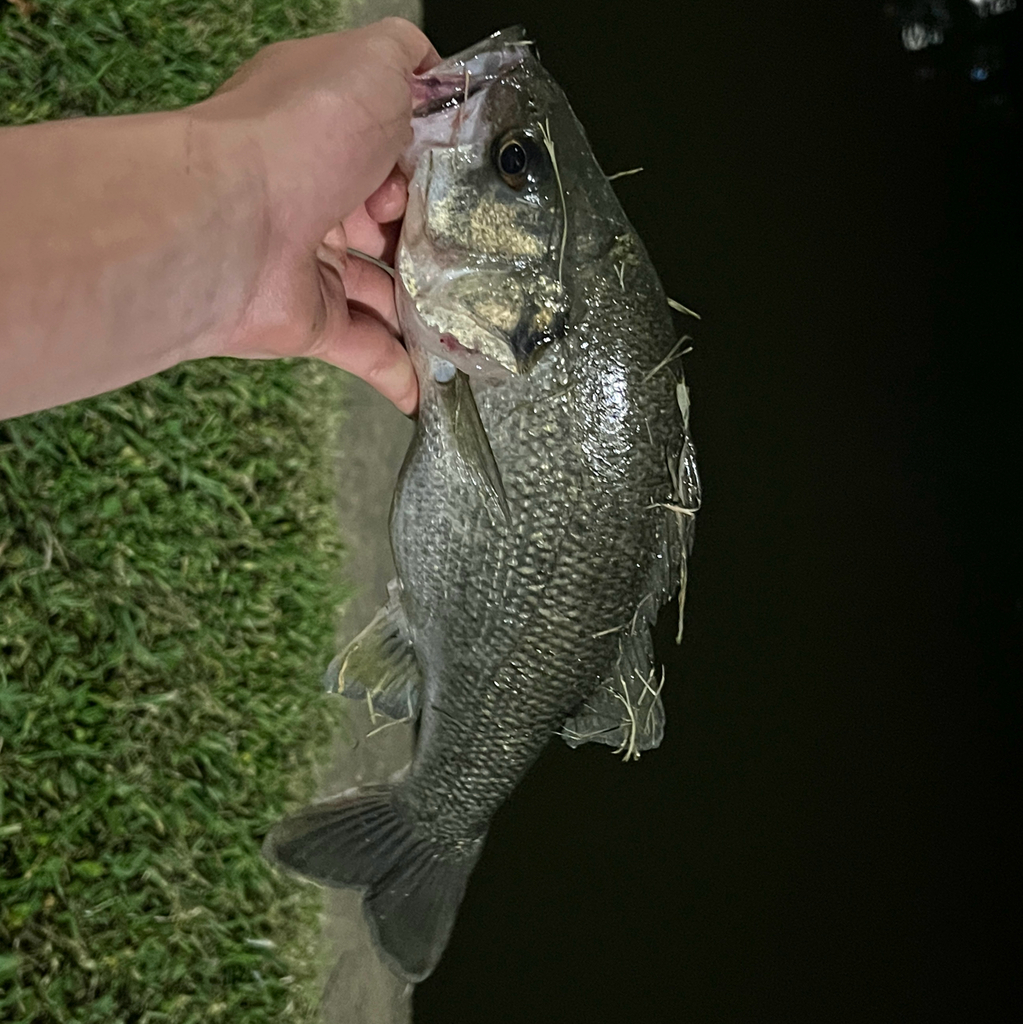
Fish photographed in Australia and shared on iNaturalist and Wikimedia Commons. Got a better one? Put it in a dispatch.
Handling & release
- Wet your hands, or lip-grip the fish and support the body.
- Fish from deep dam schools can get barotrauma — release them quickly near the bottom with a release weight.
- Pinch your barbs on lures with multiple trebles; it makes release faster and easier.
On the table
Bass are fair eating, but the culture around them is catch-and-release, and the slow growth of river fish makes that sensible. If you keep one, take a stocked dam fish.
Rules & seasons
- NSW — catch-and-release only 1 May to 31 AugBass and estuary perch can't be kept from rivers and estuaries during the spawning closure; dams and rivers above them are exempt. Some older sources give a 1 June start — the NSW closure table says 1 May. Outside the closure: bag 2 combined with estuary perch, possession 4.
- QLDMinimum 30 cm. Possession 2, or 5 in Stocked Impoundment Permit dams.
Checked October 2026. Rules change and vary between waters — confirm with the state agency before you fish: NSW · VIC · QLD
Australian bass: questions
When can you keep Australian bass?
In NSW rivers and estuaries, bass are catch-and-release only from 1 May to 31 August. Dams are exempt. Queensland has a minimum size and possession limit — see Rules & seasons above.
Do bass breed in dams?
No. They need brackish water to spawn, so dam populations are kept going by stocking.
What's the best lure for bass?
Surface lures at dawn and dusk in summer, and small spinnerbaits or beetle-spins cast under overhanging trees, catch bass everywhere.
How do I tell bass from estuary perch?
Bass have a rounded head and bronze-olive colour. Estuary perch have a concave forehead, a pointed snout and are paler and more silvery.
Latest Australian bass dispatches
All →No australian bass dispatches yet. Be the first to write one