
Where they live


- Size
- Commonly 25–40 cm.
- Where
- QLD · NT · WA
- Habitat
- Fast, rocky rivers and creeks across the north — the Burdekin and Tully systems are famous for them. Stocked in some tablelands dams.
- When
- Year-round, best in the warmer months.
- Diet
- Omnivorous: insects, shrimp, small fish, crayfish, algae — and fruit such as figs that drop into the river.
- Breeding
- Wet season, in flowing water.
- Eating
- Fair to good, but many anglers release them.
Drainage map
- Carpentaria Coast
- North East Coast
- Tanami–Timor Sea Coast
Shaded by drainage division — the area draining to one sea or basin. Sooty grunter live somewhere in each shaded division, not everywhere in it.
Boundaries: ABS · CC BY 4.0
The fish
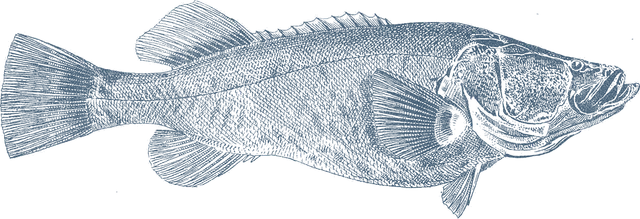
Sooty grunter are tough, aggressive fish of the north's fast, rocky rivers. They hold in riffles, pocket water and rock bars, and they hit lures hard and fight dirty in the current.
They eat almost anything: insects, shrimp, small fish and even fallen fruit — figs in particular. Their thick lips (hence 'blubberlips') help them pick food off rocks.
Sooty are one of the largest of Australia's grunters, and big fish over 40 cm are prized. They're found from the Kimberley across the Top End and into Queensland's east-coast rivers, and they've been stocked in some tablelands dams.
Telling them apart
- Deep, compressed body, dark grey-brown to almost black.
- Thick, rubbery lips.
- Small mouth relative to body size.
- Spiny dorsal fin joined to the soft dorsal; slightly forked tail.
Easily confused with

Smaller, paler and covered in orange-brown spots.

Silvery with dark spots on the scales and dark spots on the tail.
How they're fished
Small hard-bodies and spinners worked through riffles and pocket water; surface lures in the evening. Aggressive, and happy to eat fruit that drops in.
When: Year-round, best in the warmer months.
Tips from the water
- Fish fast water — riffles, runs and the head of pools.
- Wade the rivers in the dry and cast upstream across the current.
- Small diving lures bumped through the rocks get the most strikes.
- Use strong leaders: sooty will cut you off on rocks.
- Watch for crocodiles in lower reaches and estuaries.
- Rod
- 6'–6'6" light-medium spin rod, 2–5 kg.
- Reel
- 2500 spin reel.
- Line
- 8–15 lb braid.
- Leader
- 12–20 lb fluorocarbon.
- Small diving hard-bodies
- Inline spinners
- Small spinnerbaits
- Soft plastics
- Surface lures in the evening
- Flies: nymphs, Woolly Buggers and small poppers
- Shrimp
- Cherabin (freshwater prawn)
- Worms
- Crickets
- Figs and other fallen fruit
Through the year
- Apr–AugThe dry: clear, low water and great wading and sight fishing.
- Sep–DecWarm water and active fish — prime season.
- Jan–MarThe wet: rivers flood; fish the clearer tributaries.
Waters to know
| Water | State | Why |
|---|---|---|
| Burdekin River | QLD | Big sooty around Charters Towers. |
| Tully and Herbert rivers | QLD | Wet Tropics rivers with sooty in the rocks. |
| Lake Tinaroo and Barron River | QLD | Atherton Tableland. |
| Daly and Katherine rivers | NT | Top End sooty water. |
| Ord River | WA | East Kimberley. |
Access, boating and bait rules differ from water to water — check before you go.
Sooty grunter in Australian water
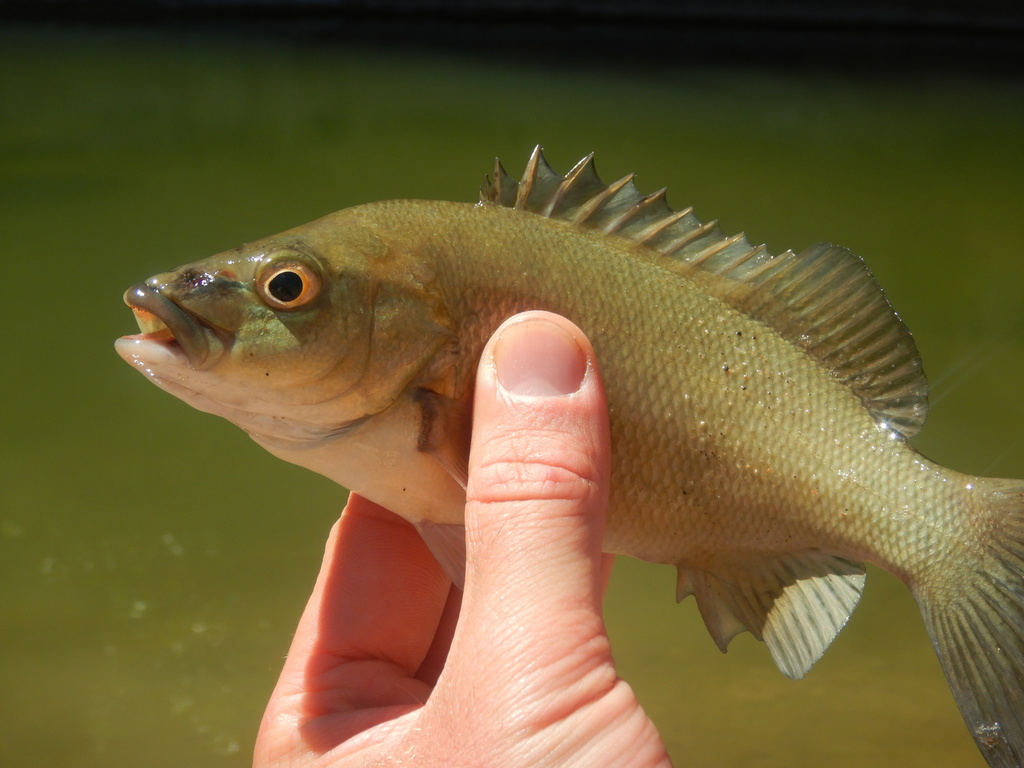
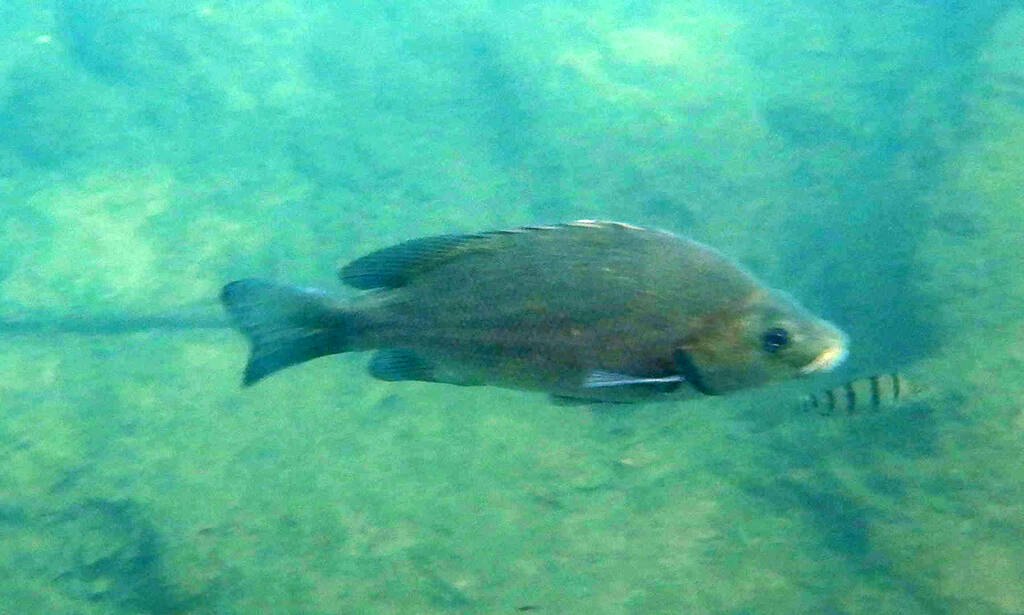
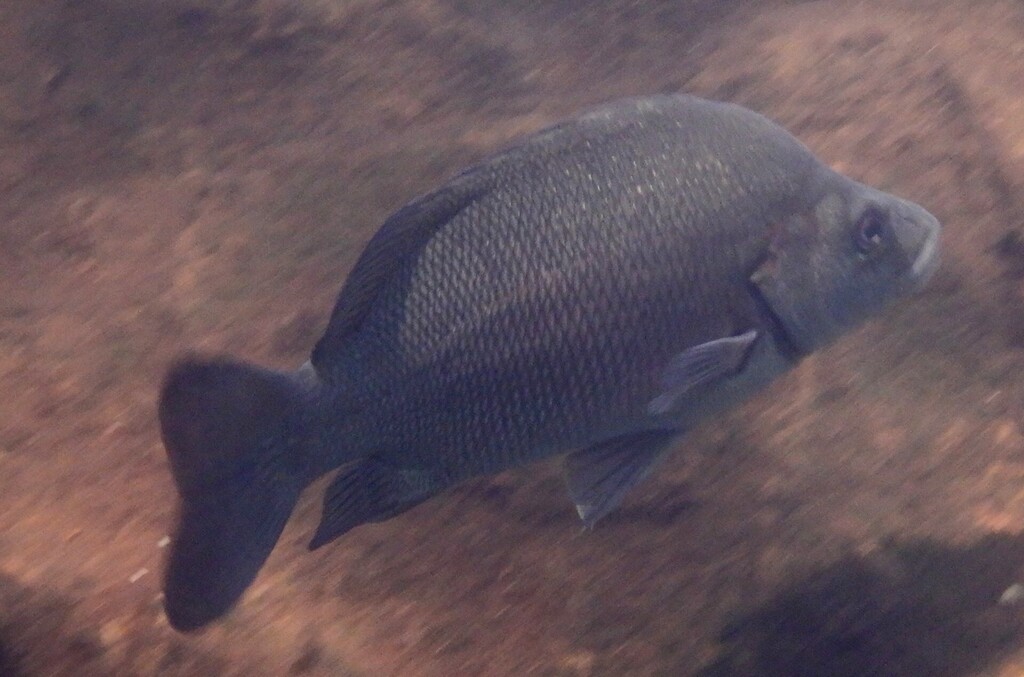
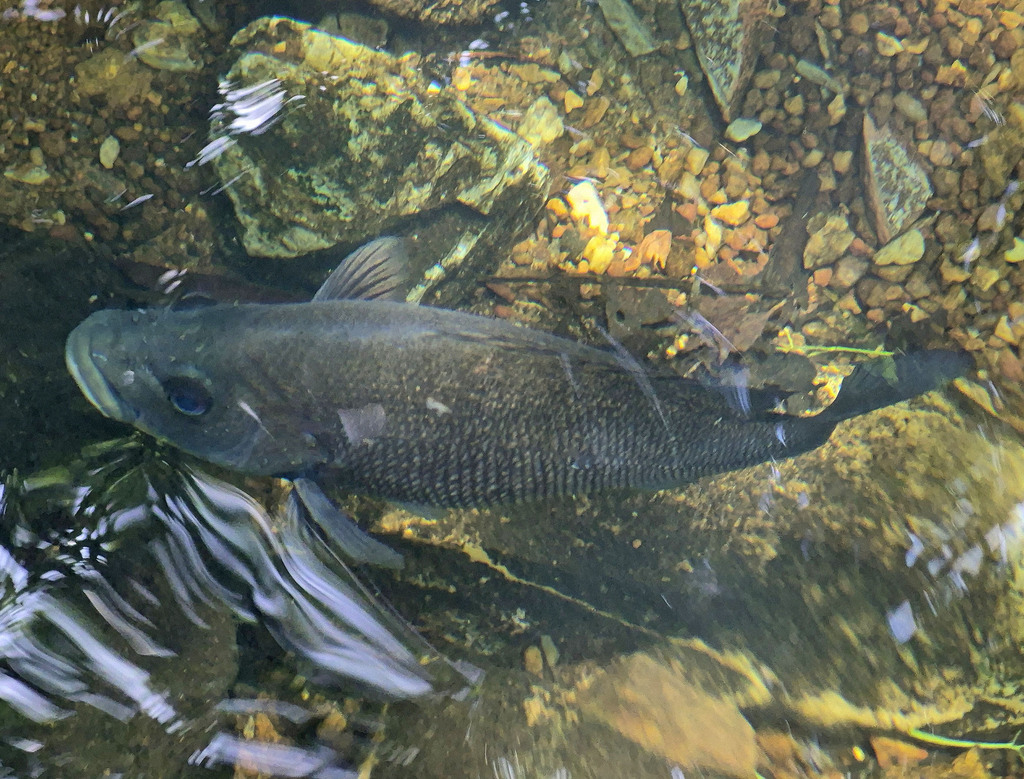
Fish photographed in Australia and shared on iNaturalist and Wikimedia Commons. Got a better one? Put it in a dispatch.
Handling & release
- Wet hands; sooty spines are sharp, so grip carefully.
- Release them into calm water near the current.
On the table
Sooty grunter are fair to good eating, though fish from muddy water can be strong. Many anglers keep a few and release the rest.
Rules & seasons
- QLDMinimum 28 cm, possession 10 combined with Gulf, khaki and lake grunter.
Checked October 2026. Rules change and vary between waters — confirm with the state agency before you fish: QLD · WA · NT
Sooty grunter: questions
Do sooty grunter eat fruit?
Yes. Sooty eat figs and other fruit that fall into the river, and anglers sometimes use fruit as bait.
Where are sooty grunter found?
In fast, rocky rivers across northern Australia, from the Kimberley to Queensland's east coast.
Latest Sooty grunter dispatches
All →No sooty grunter dispatches yet. Be the first to write one