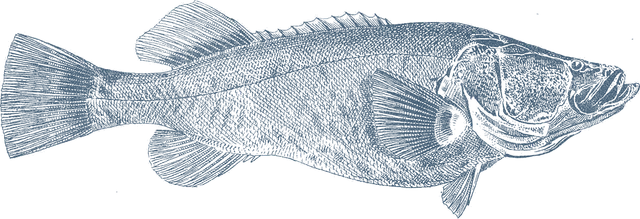

Jungle perch
Where they live


- Size
- Commonly 20–35 cm.
- Where
- QLD
- Habitat
- Clear, fast rainforest creeks of the Wet Tropics and Cape York, often in pools below waterfalls.
- When
- Year-round in the tropics.
- Diet
- Insects, spiders, shrimp, small fish and fruit falling from the rainforest.
- Breeding
- Adults move downstream to breed in estuaries or the sea; young return upstream.
- Eating
- Good, but almost all are released.
Drainage map
- North East Coast
Shaded by drainage division — the area draining to one sea or basin. Jungle perch live somewhere in each shaded division, not everywhere in it.
Boundaries: ABS · CC BY 4.0
The fish
Jungle perch are the fish of crystal-clear rainforest creeks: pools under waterfalls, boulder runs and shaded pockets. They're silver with dark spots and they rise to surface lures and flies with a speed that's hard to match.
They need the sea to breed. Adults move downstream to spawn in salt water, and the young swim back up the creeks — so weirs, culverts and road crossings that block migration have wiped them out of many streams.
Jungle perch are smart and spooky. In clear water they see you long before you see them, so the angler who stays low, moves slowly and makes the first cast count catches more fish.
Telling them apart
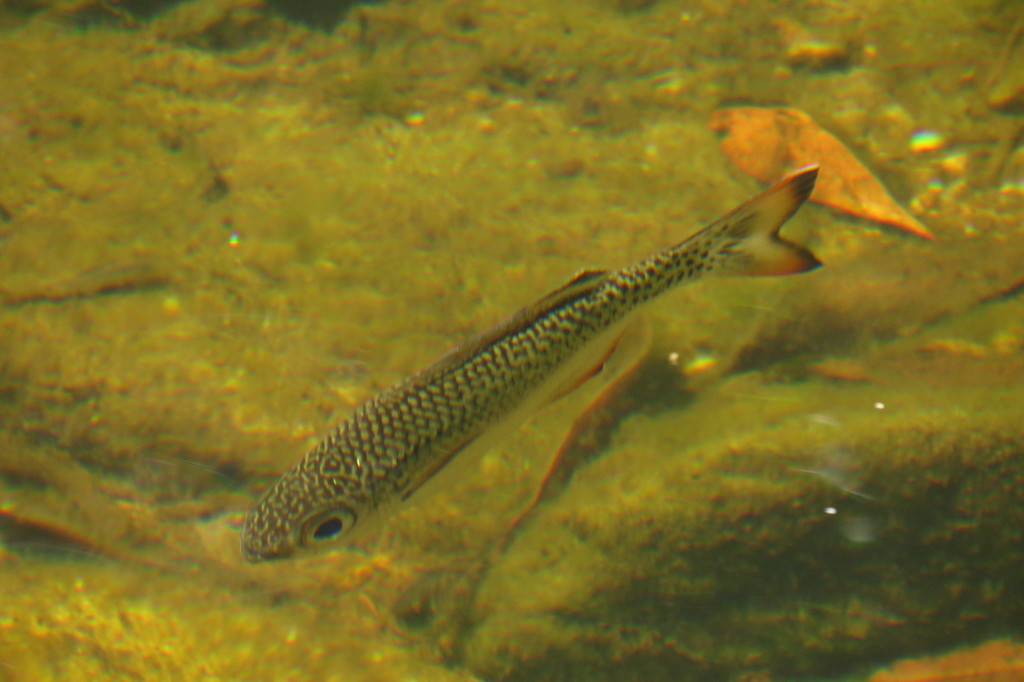
- Silvery body with dark spots on many scales.
- Large, dark spots on the tail lobes.
- Large eye and a slightly upturned mouth.
- Spiny dorsal fin joined to the soft dorsal; forked tail.
Easily confused with
How they're fished
Small surface lures, spinners and flies under overhanging rainforest. Light gear, careful wading, and cast before you see the fish.
When: Year-round in the tropics.
Tips from the water
- Approach pools carefully, and cast before you see fish.
- Use small surface lures and flies under overhanging rainforest.
- Wear good wading shoes; rainforest rocks are slippery.
- Check national park rules before you fish — some streams are closed.
- Rod
- Light 1–3 kg spin rod or a 4–5 weight fly rod.
- Reel
- 1000–2000 spin reel.
- Line
- 4–8 lb braid.
- Leader
- 6–10 lb fluorocarbon.
- Small poppers and surface walkers
- Inline spinners
- Small hard-bodies
- Flies: small poppers, beetles and hoppers
- Crickets
- Small shrimp
Through the year
- Apr–NovThe dry: clear, low water and the best creek fishing.
- Dec–MarThe wet: creeks flood. Fish the edges of clearing water after rain.
Waters to know
| Water | State | Why |
|---|---|---|
| Wet Tropics creeks, Townsville to Cooktown | QLD | Clear rainforest streams — check national park and local rules. |
| Hinchinbrook and the Cardwell coast | QLD | Short coastal creeks. |
| Cape York streams | QLD | Remote creeks with good populations. |
Access, boating and bait rules differ from water to water — check before you go.
Jungle perch in Australian water
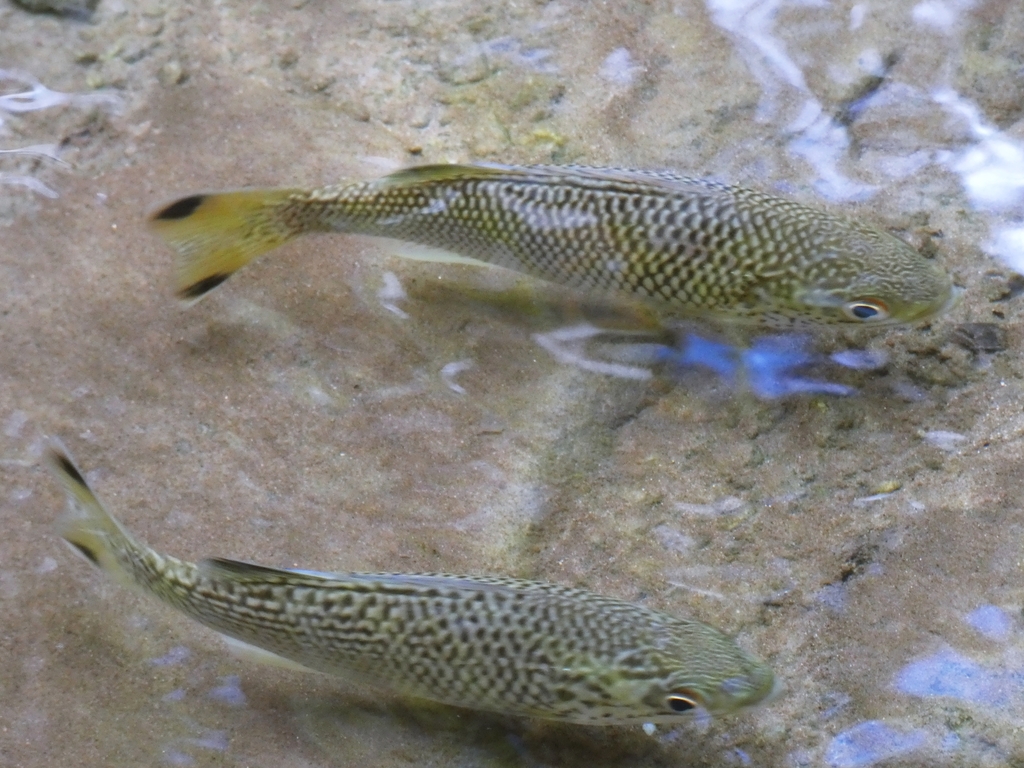
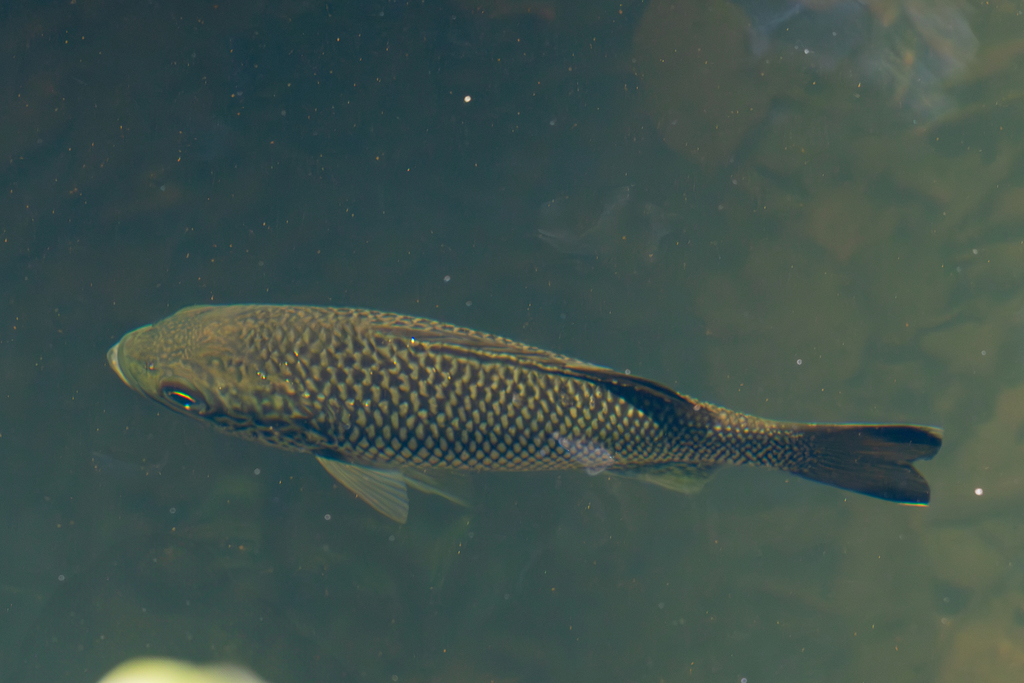
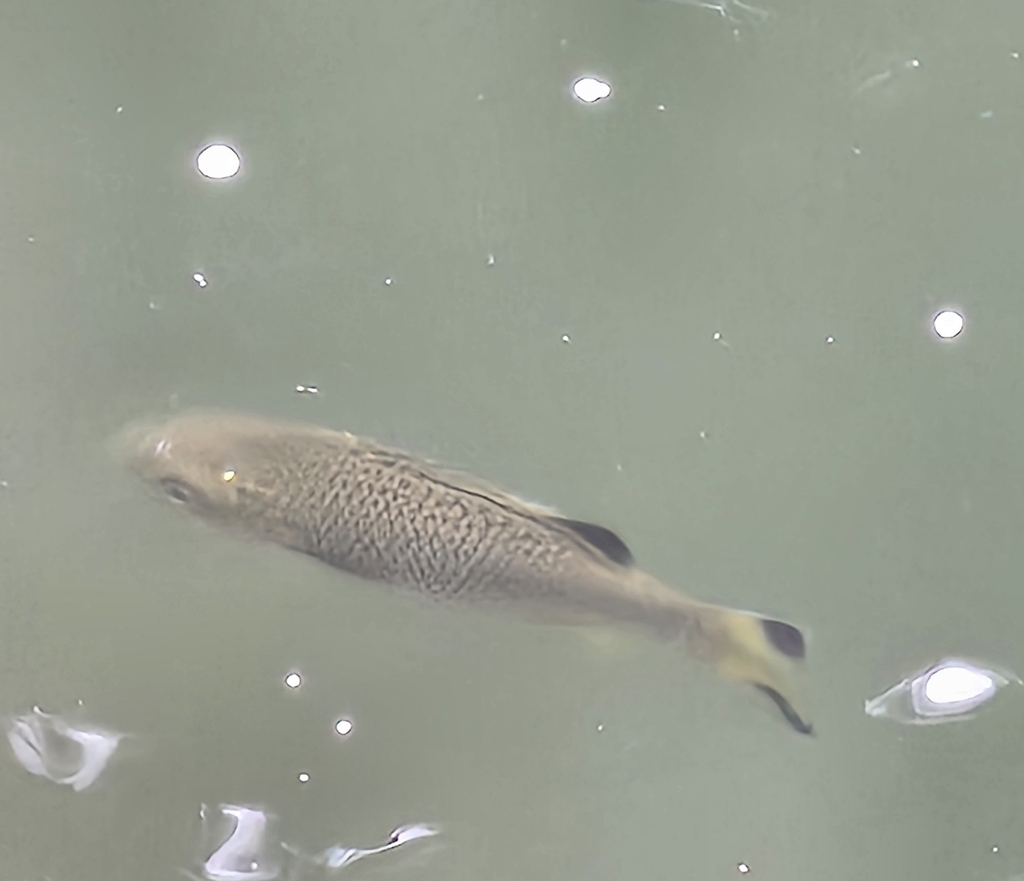
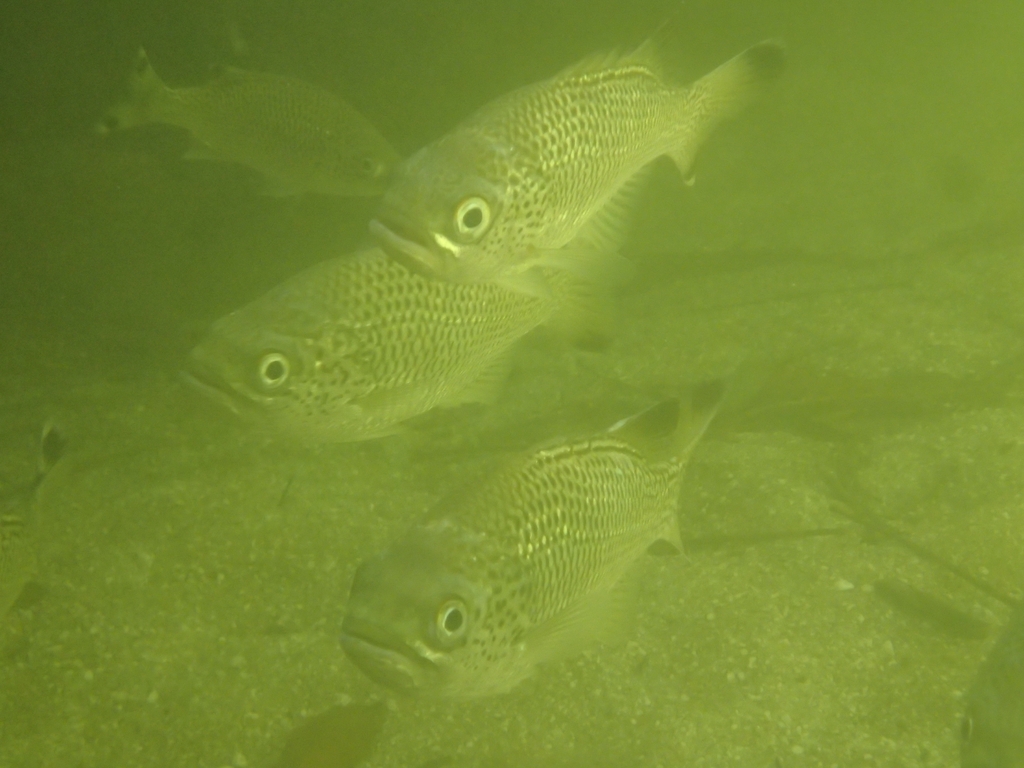
Fish photographed in Australia and shared on iNaturalist and Wikimedia Commons. Got a better one? Put it in a dispatch.
Handling & release
- Release quickly in the pool where you caught it.
- Wet hands only.
On the table
Jungle perch eat well, but they're slow to recover in small creeks. Most anglers release every one.
Rules & seasons
- QLDMaximum 35 cm, possession 1 combined with spotted flagtail.
Checked October 2026. Rules change and vary between waters — confirm with the state agency before you fish: QLD
Jungle perch: questions
Why are jungle perch rare in some creeks?
They need to migrate to the sea to breed. Weirs and culverts that block that journey have wiped them out of many streams.
Latest Jungle perch dispatches
All →No jungle perch dispatches yet. Be the first to write one