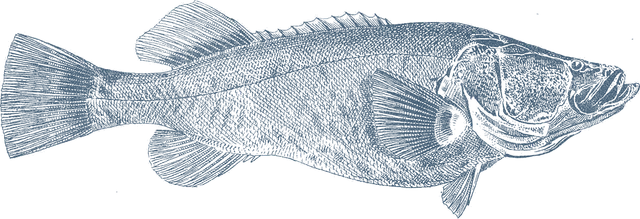

Redfin
Where they live


- Size
- Commonly 20–35 cm; 45 cm-plus fish are memorable.
- Where
- NSW · VIC · SA · WA · ACT · TAS
- Habitat
- Lakes, weir pools and slow rivers across the south-east and south-west. Schools around weed beds, drowned timber and drop-offs.
- When
- Year-round; schools tighten up and bite hard through winter in the lakes.
- Lifespan
- Up to 10 years or more.
- Diet
- Small fish (including native fish and their own young), yabbies, shrimp and insects.
- Breeding
- Late winter and spring. Eggs are laid in long jelly-like ribbons draped over weed and timber.
- Arrived
- 1860s, from Europe.
- Eating
- Excellent — and keeping them helps native fish.
Drainage map
- Murray–Darling Basin
- South Australian Gulf
- South East Coast (NSW)
- South East Coast (Victoria)
- South West Coast
- Tasmania
Shaded by drainage division — the area draining to one sea or basin. Redfin live somewhere in each shaded division, not everywhere in it.
Boundaries: ABS · CC BY 4.0
The fish
Redfin perch were brought to Australia in the 1860s and are now found across the south-east and south-west. They're hardy, aggressive and form big schools, and in many lakes they are the most commonly caught fish.
They breed prolifically: each female lays thousands of eggs in long ribbons draped over weed and timber, and populations can explode. In crowded waters they stunt — lots of small fish — but in big lakes they grow to 2 kg and more.
Redfin are a problem for native fish. They eat native fry and small fish and carry the EHN virus (epizootic haematopoietic necrosis), which is deadly to Macquarie perch, silver perch and other natives.
Telling them apart
- Olive-green body with five to eight dark vertical bars.
- Red-orange pelvic, anal and tail fins.
- Two separate dorsal fins, the first spiny with a dark spot at the rear.
- Humped back in larger fish.
Easily confused with


How they're fished
Small soft plastics, blades, spinners and ice jigs, or worms and yabbies. Find one and you've found the school — keep them for the table.
When: Year-round; schools tighten up and bite hard through winter in the lakes.
Tips from the water
- Use a sounder to find schools on drop-offs, weed edges and timber.
- Once you find a school, stay on it and keep catching.
- Vertical jigging with ice jigs and blades works well on deep schools.
- Keep every redfin — releasing them harms native fish.
- Rod
- 6'6"–7' light spin rod, 2–4 kg.
- Reel
- 1000–2500 spin reel.
- Line
- 6–10 lb braid.
- Leader
- 8–10 lb fluorocarbon.
- Small soft plastics
- Metal blades
- Ice jigs
- Bladed spinners
- Small hard-bodies trolled
- Worms
- Small yabbies
- Mudeyes
- Shrimp
Through the year
- Jun–AugWinter: schools gather deep and tight — great fishing with blades and jigs.
- Sep–NovSpawning in the shallows; fish weed edges.
- Dec–MarSummer: fish early and late, or deep below the thermocline.
- Apr–MayAutumn schools build up again.
Waters to know
| Water | State | Why |
|---|---|---|
| Lake Eildon | VIC | Big redfin among the timber. |
| Lake Hume | NSW / VIC | Huge schools in drowned trees. |
| Lake Eppalock | VIC | Popular redfin lake. |
| Burrinjuck and Wyangala dams | NSW | Southern tablelands lakes. |
| Lake Burley Griffin | ACT | Urban redfin. |
Access, boating and bait rules differ from water to water — check before you go.
Redfin in Australian water
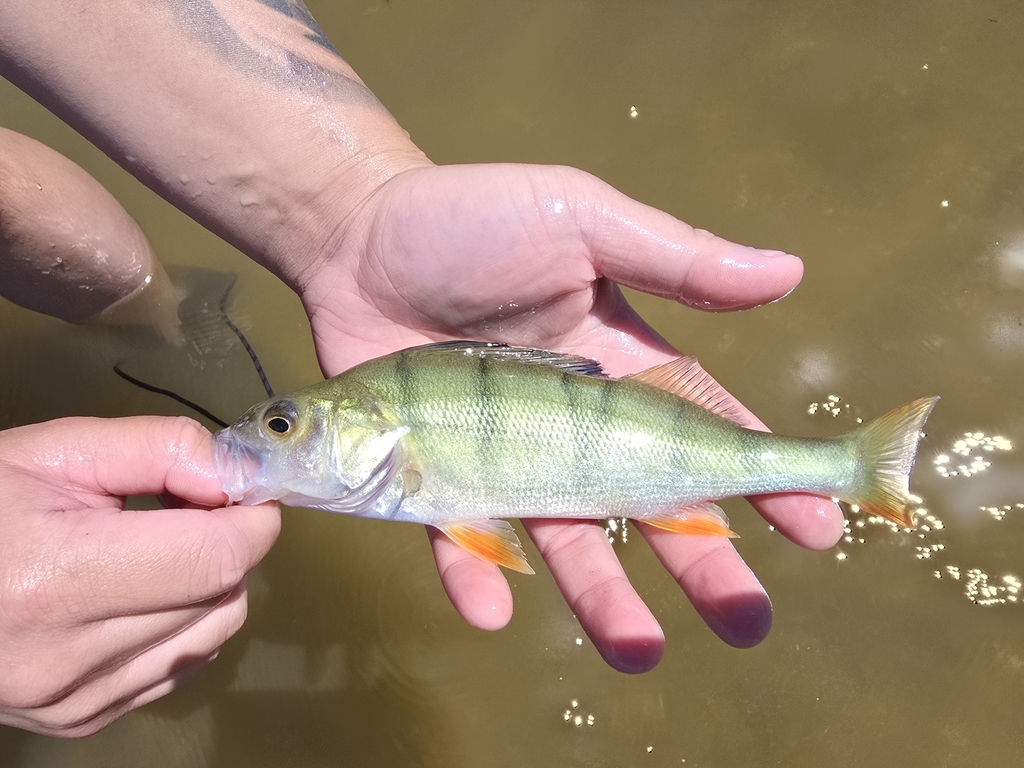
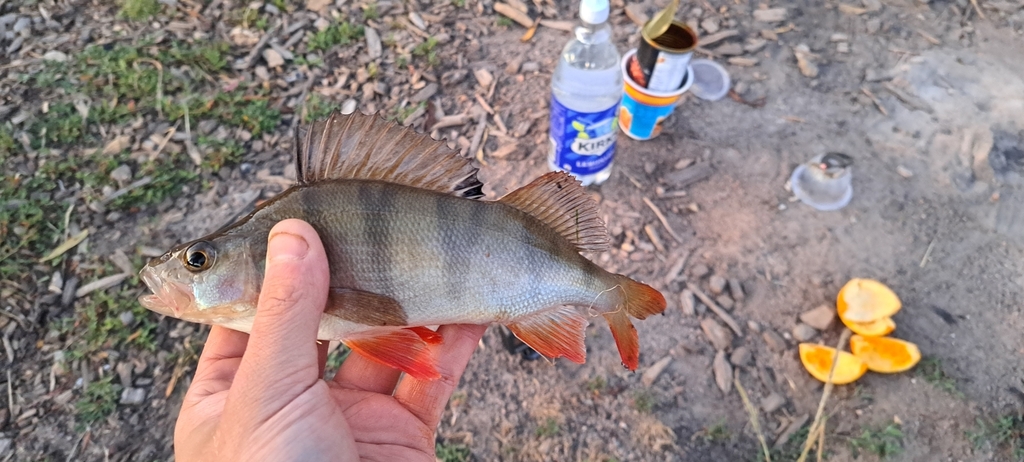
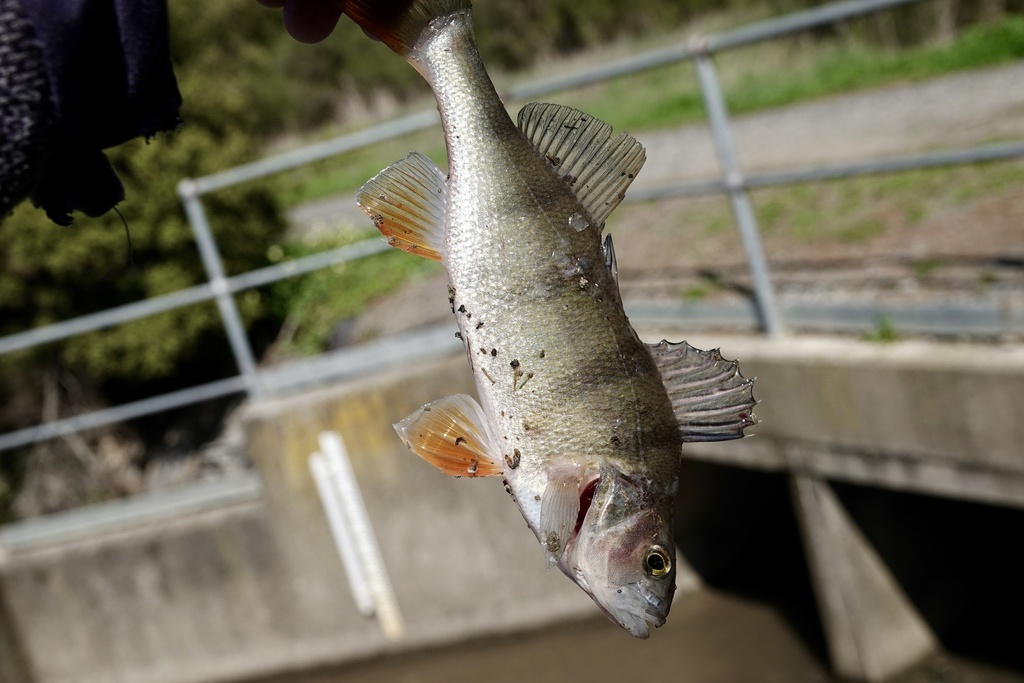
Fish photographed in Australia and shared on iNaturalist and Wikimedia Commons. Got a better one? Put it in a dispatch.
Handling & release
- Don't release redfin. In NSW you must not return them alive except immediately at the point of capture — and that's discouraged.
- Kill them humanely with a sharp blow or brain spike and put them on ice.
- Never move live redfin between waters.
On the table
Redfin are one of the best-eating fish in fresh water — firm, white, sweet fillets. Skin them, and keep every fish you catch.
Rules & seasons
- NSWNo bag or size limit. Notifiable pest under the Biosecurity Regulation: kill humanely and keep or dispose of it — never move live redfin.
- VicNo bag or size limit.
Checked October 2026. Rules change and vary between waters — confirm with the state agency before you fish: NSW · VIC · SA · WA · ACT · TAS
Redfin: questions
Should I release redfin?
No. Redfin are pests that eat native fish and spread disease. Keep every one you catch.
Are redfin good to eat?
Yes — they're excellent eating, with firm white fillets.
Where are the best redfin lakes?
Lake Eildon, Lake Hume and Lake Eppalock in Victoria, and Burrinjuck and Wyangala in NSW.
Latest Redfin dispatches
All →No redfin dispatches yet. Be the first to write one