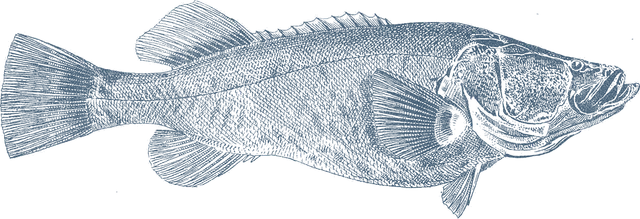

Where they live


- Size
- Commonly 30–45 cm; stocked lake fish grow past 60 cm.
- Where
- NSW · VIC · TAS · SA · WA · ACT
- Habitat
- High-country streams and lakes in the south-east, Tasmania's lakes, and stocked impoundments as far west as WA's south-west. Tolerates slightly warmer water than browns.
- When
- As for browns. Rainbows run up streams to spawn in late winter and spring.
- Lifespan
- Usually 4–7 years.
- Diet
- Insects, mudeyes, small fish, snails and zooplankton.
- Breeding
- Late winter and spring, in gravel redds in streams.
- Arrived
- 1890s, from North America.
- Eating
- Good — lake fish often pink-fleshed.
Drainage map
- Murray–Darling Basin
- South Australian Gulf
- South East Coast (NSW)
- South East Coast (Victoria)
- South West Coast
- Tasmania
Shaded by drainage division — the area draining to one sea or basin. Rainbow trout live somewhere in each shaded division, not everywhere in it.
Boundaries: ABS · CC BY 4.0
The fish
Rainbows came to Australia from North America in the 1890s, and they're now the most widely stocked trout in the country. They tolerate slightly warmer water than browns and do well in big impoundments, where they cruise open water feeding on insects and small fish.
Rainbows are acrobats: they leap and run hard, making them a favourite on light tackle. In lakes they feed in wind lanes and near the surface early in the morning.
They spawn in late winter and spring, and many lake fish run up streams to breed. Wild self-sustaining populations exist, but many fisheries depend on regular stocking.
Telling them apart
- Silver to blue-green back with a pink-red stripe along the side.
- Many small black spots on the body, dorsal fin and across the tail.
- No red spots.
Easily confused with

Golden-brown with red spots and a mostly unspotted tail.

Western Victorian lakes; black gums and small spots.
How they're fished
Small spinners and minnow lures, flies, and Powerbait-style baits in stocked lakes. Rainbows jump and fight in open water — light line and a soft drag.
When: As for browns. Rainbows run up streams to spawn in late winter and spring.
Tips from the water
- In lakes, troll early in the morning along the edges and over weed beds.
- Floating dough baits in stocked lakes are deadly.
- Fish wind lanes, where insects collect on the surface.
- Use a soft drag — rainbows jump and throw hooks.
- Spin
- 6'6"–7' light rod, 1–3 kg, 2000 spin reel, 4–6 lb line.
- Fly
- 4–6 weight with floating or intermediate line.
- Trolling
- Medium outfit, with leadcore line or a downrigger in summer.
- Small bladed spinners
- Minnow hard-bodies
- Winged trolling lures
- Small soft plastics
- Flies: nymphs, wets, dries and Woolly Buggers
- Floating dough baits
- Mudeyes
- Worms
- Crickets
Through the year
- Aug–OctSpawning runs and stream openings. Lakes fish well.
- Nov–FebEarly mornings and evenings; fish go deep in hot weather.
- Mar–MayCooling water and great lake fishing.
- Jun–JulLakes only; trolling and bait.
Waters to know
| Water | State | Why |
|---|---|---|
| Lake Eucumbene | NSW | Australia's best-known trout lake. |
| Lake Jindabyne | NSW | Year-round trolling and bank fishing. |
| Khancoban Pondage and Tantangara | NSW | Snowy Mountains. |
| Lake Purrumbete and Lake Bullen Merri | VIC | Western Victoria's crater lakes. |
| Lake Wendouree | VIC | Ballarat. |
| Dee Lagoon and Lake Meadowbank | TAS | Tasmanian rainbow water. |
| South-west streams and dams | WA | Stocked from the Pemberton hatchery. |
Access, boating and bait rules differ from water to water — check before you go.
Rainbow trout in Australian water
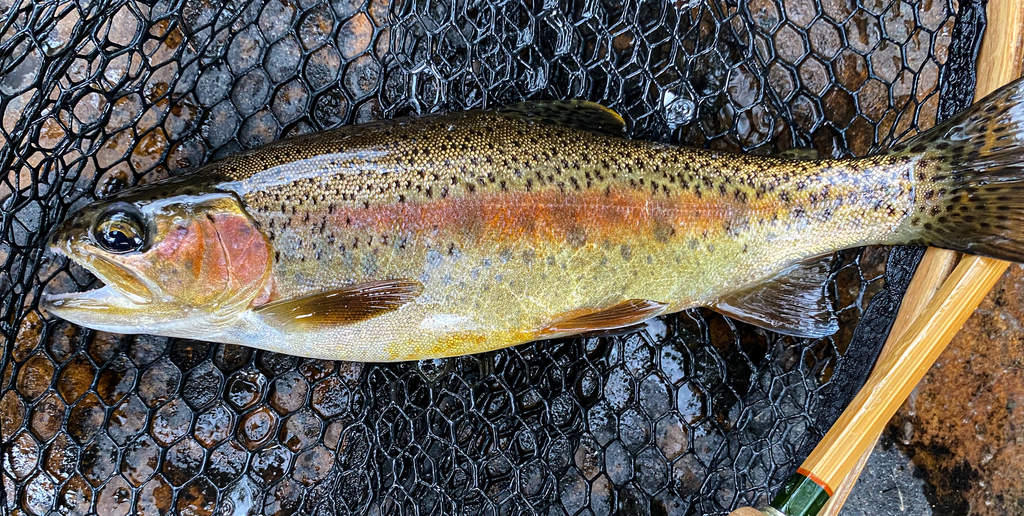
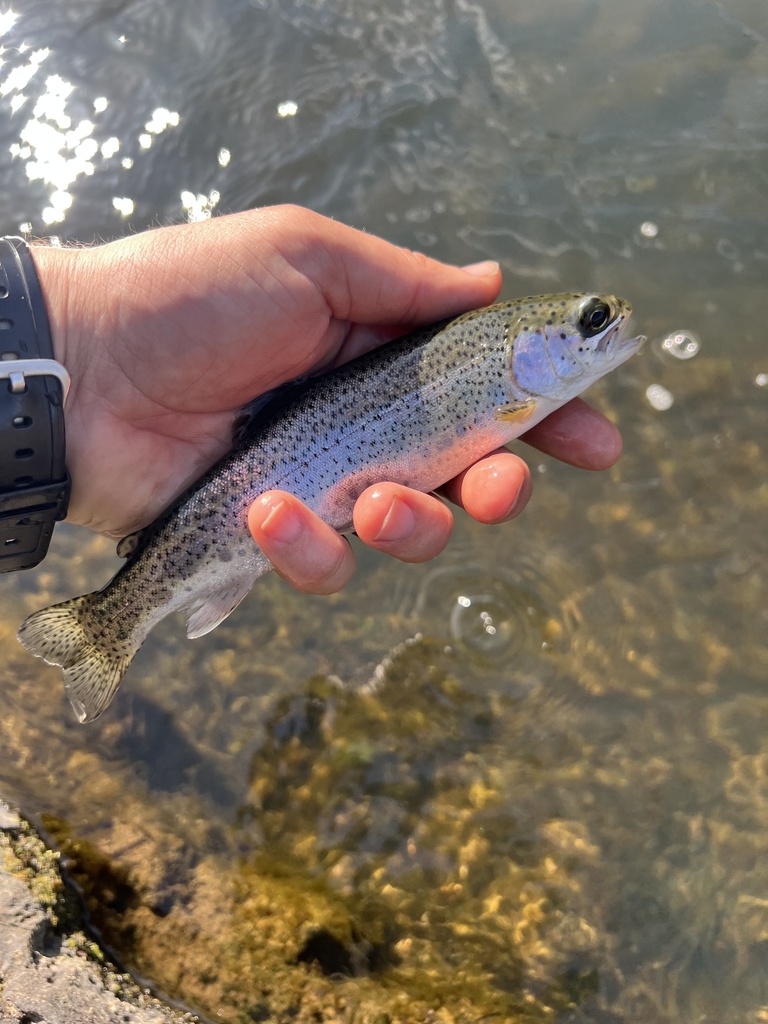
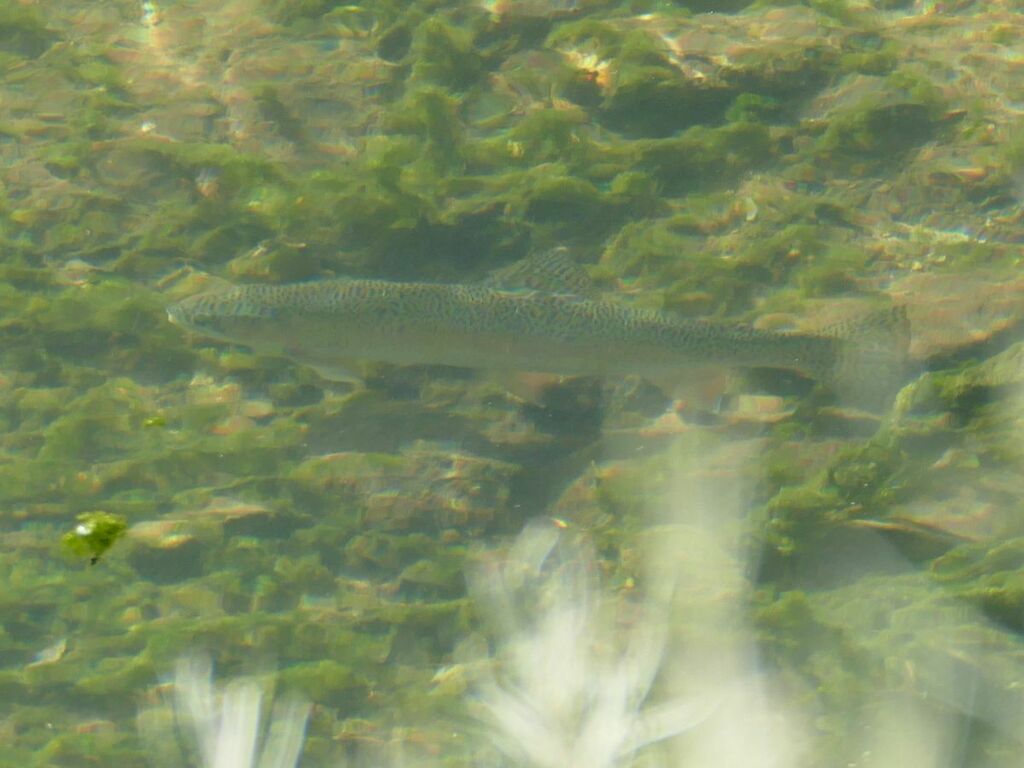
Fish photographed in Australia and shared on iNaturalist and Wikimedia Commons. Got a better one? Put it in a dispatch.
Handling & release
- Rainbows tire quickly — release them fast and keep them wet.
- Barbless hooks help.
On the table
Rainbows eat well, and lake fish feeding on yabbies and shrimp are often pink-fleshed. Bleed and ice them straight away.
Rules & seasons
- Vic & NSW streams — winter closureSame stream closures as brown trout. Bag and size limits differ between streams and lakes — check the current state guide.
Checked October 2026. Rules change and vary between waters — confirm with the state agency before you fish: NSW · VIC · SA · WA · ACT · TAS
Rainbow trout: questions
What's the difference between rainbow and brown trout?
Rainbows have a pink stripe along the side and spots across the tail; browns are golden with red spots and a mostly clear tail.
Where can I catch rainbow trout?
Stocked lakes in the Snowy Mountains, Victoria, Tasmania and south-west WA, and high-country streams.
Latest Rainbow trout dispatches
All →No rainbow trout dispatches yet. Be the first to write one