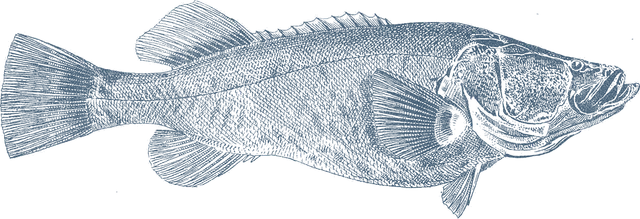

Murray cod
Where they live


- Size
- Commonly 50–90 cm. Australia's largest exclusively freshwater fish — metre-plus cod are caught every season, and the species has been recorded at 1.8 m.
- Where
- NSW · VIC · QLD · SA · ACT
- Habitat
- Lowland and slopes rivers of the Murray–Darling Basin, plus stocked impoundments. Lives tight to structure — snags, rock bars, undercut banks — and will hold the same snag for years.
- When
- Best from December through to the end of winter. Surface fishing peaks on warm summer nights; the pre-spawn build-up in late winter produces the biggest fish.
- Lifespan
- Can live well past 40 years; fish aged in their late 40s have been recorded.
- Diet
- Fish, yabbies, shrimp and frogs — and anything else that fits: ducklings, water rats, snakes, mice.
- Breeding
- Spring, as rivers warm past about 16–20 °C. Pairs spawn on hard surfaces — hollow logs, clay banks, rock — and the male guards the eggs.
- Matures
- Around 4–5 years old, at roughly 50 cm.
- Eating
- Firm, white and rich — but most anglers now release the big breeders.
Drainage map
- Murray–Darling Basin
Shaded by drainage division — the area draining to one sea or basin. Murray cod live somewhere in each shaded division, not everywhere in it.
Boundaries: ABS · CC BY 4.0
The fish
The Murray cod is the apex predator of the Murray–Darling and the fish most Australian freshwater anglers dream about. It is an ambush hunter: a cod picks a home — a snag, a rock bar, a deep undercut — and lies tight to it, waiting for food to come past. Big fish are territorial and can hold the same snag for years, which is why a good cod spot stays good.
Spawning starts in spring when the days lengthen and the water warms. A pair lays a mat of sticky eggs inside a hollow log or against a clay bank, and the male fans and guards them for a week or more until they hatch. The larvae drift downstream on the current for a few days before settling. That parental care is why the spring closure matters: a male taken off the nest means the whole brood is lost.
Cod grow slowly and live long. A metre-long fish is likely to be twenty years old or more, and the biggest females carry hundreds of thousands of eggs. That is the thinking behind the slot limits in NSW and Victoria — keep a medium fish for the table if you want, but put the breeders back.
They're active through the year but feed hardest at low light and when the water is warm. Cod respond to changes: a rise in the river, a falling barometer before a storm, a full moon. In winter they slow down, but the pre-spawn months of July and August produce some of the biggest fish of the year.
Telling them apart
- Big, broad head and a huge mouth; the lower jaw is level with or slightly longer than the upper.
- Green to golden body with heavy dark mottling, fading to a cream or white belly.
- Rounded tail, and dark fins edged in white or grey.
- Deep body with a concave forehead — big fish carry a pronounced hump behind the head.
Murray cod have a lower jaw equal to or longer than the upper, and mottled green-gold markings. If the upper jaw overhangs and the markings are fine dashes on blue-grey, it's a trout cod — protected.
Easily confused with

Upper jaw overhangs the lower, straighter head, blue-grey with fine dark dashes. Protected — release it at once.
Very similar, but only found in south-east Queensland's Mary River system and stocked dams.

Only in the Clarence and Richmond systems of northern NSW. Protected.
How they're fished
Big-profile lures worked slowly past timber: spinnerbaits, swimbaits and deep-diving hard-bodies, and surface lures after dark in the warmer months. Heavy line and a firm drag to turn fish from snags. Big cod are best released — support the body horizontally and keep them wet.
When: Best from December through to the end of winter. Surface fishing peaks on warm summer nights; the pre-spawn build-up in late winter produces the biggest fish.
Tips from the water
- Fish the shade side of a snag and get your lure as close as you dare. A cod rarely chases far from cover.
- Slow down. Most cod are caught on lures moving slower than anglers think they should.
- Cast to the same snag more than once. Cod often follow, inspect and come back on the third or fourth pass.
- In high summer, fish the hours either side of dark and through the night with surface lures.
- Rising water after rain switches cod on; a fast drop in the river or a cold change usually shuts them down.
- Rod
- 6–7 ft baitcaster rated 8–15 kg for lures around snags; a longer spin rod for casting from the bank.
- Reel
- A baitcaster or 3000–4000 spin reel with a smooth, strong drag.
- Line
- 30–50 lb braid, so you can stop a fish before it reaches the snag.
- Leader
- 40–80 lb monofilament or fluorocarbon — cod have rough jaws and live among sharp timber.
- Spinnerbaits, ½ to 2 oz, slow-rolled past timber
- Deep-diving hard-bodies, 75–150 mm, trolled or cast
- Swimbaits and big soft plastics
- Surface lures — wakebaits, paddlers and crawlers — after dark
- Chatterbaits and bladed jigs
- Live yabbies
- Bardi grubs and wood grubs
- Large worms
- Cheese or chicken (old-school, still works)
- Fish where legal — check your state's live-bait rules
Through the year
- Dec–FebSeason opens in NSW and Victoria on 1 December. Hot days, surface lures at night, fish the shaded side of snags by day.
- Mar–MayAutumn is consistent — cooling water, active fish and big lures through the day.
- Jun–AugCold and slow, but the pre-spawn months put the biggest fish of the year on the bank. Fish slow and big.
- Sep–NovSpawning closure in NSW and Victoria; Queensland and South Australian closures start earlier. Leave them be.
Waters to know
| Water | State | Why |
|---|---|---|
| Murray River, Yarrawonga to Tocumwal | NSW / VIC | Classic big-river cod water, snag after snag. |
| Lake Mulwala | NSW / VIC | A drowned forest of red gums — famous for big fish and big numbers. |
| Copeton Dam | NSW | Stocked impoundment, open year-round, known for metre-plus fish. |
| Blowering Dam | NSW | Open year-round; cod among the standing timber. |
| Murrumbidgee River, Narrandera to Hay | NSW | Red-gum river with excellent snag fishing. |
| Lake Eildon | VIC | A big, deep impoundment with trophy cod. |
| Lake Eppalock | VIC | Stocked lake with a year-round season under current Victorian notices. |
| Darling River | NSW | Remote and variable; fishing depends on flows. |
| Condamine and Balonne rivers | QLD | Queensland's Murray–Darling cod country. |
Access, boating and bait rules differ from water to water — check before you go.
Murray cod in Australian water
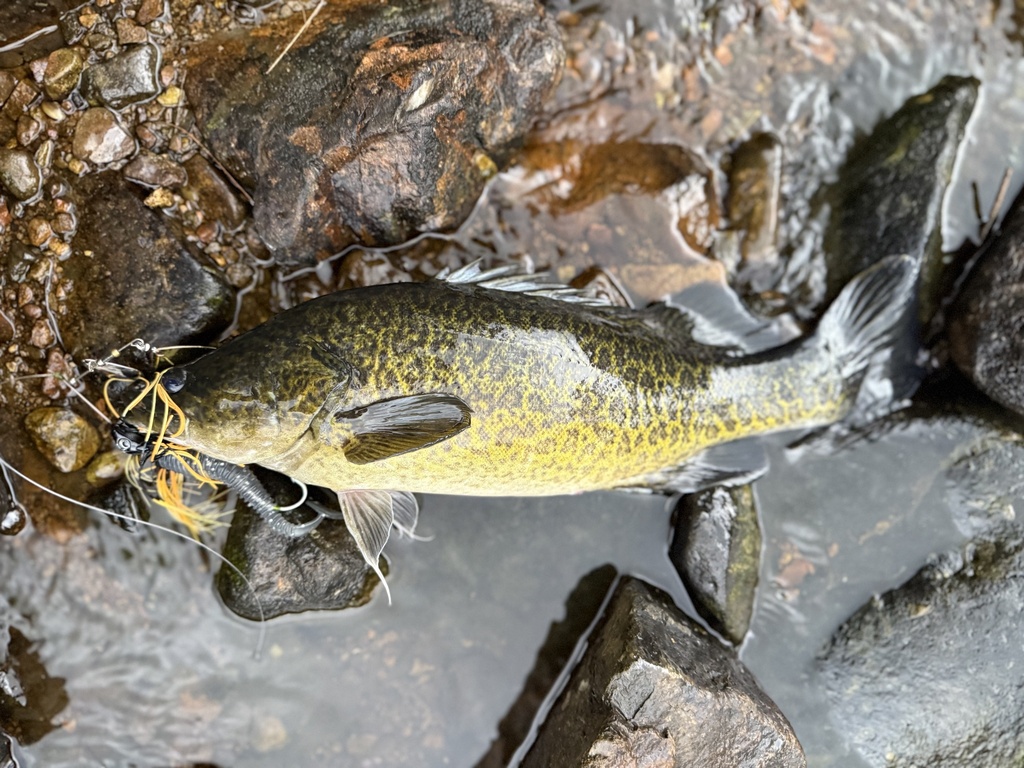
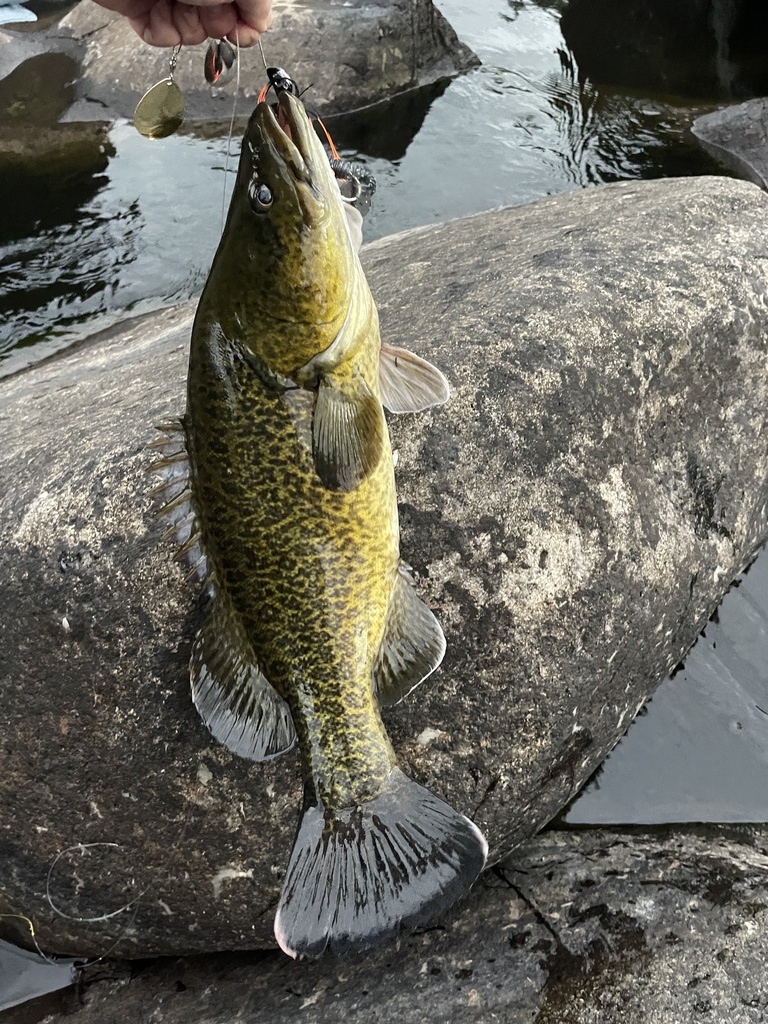
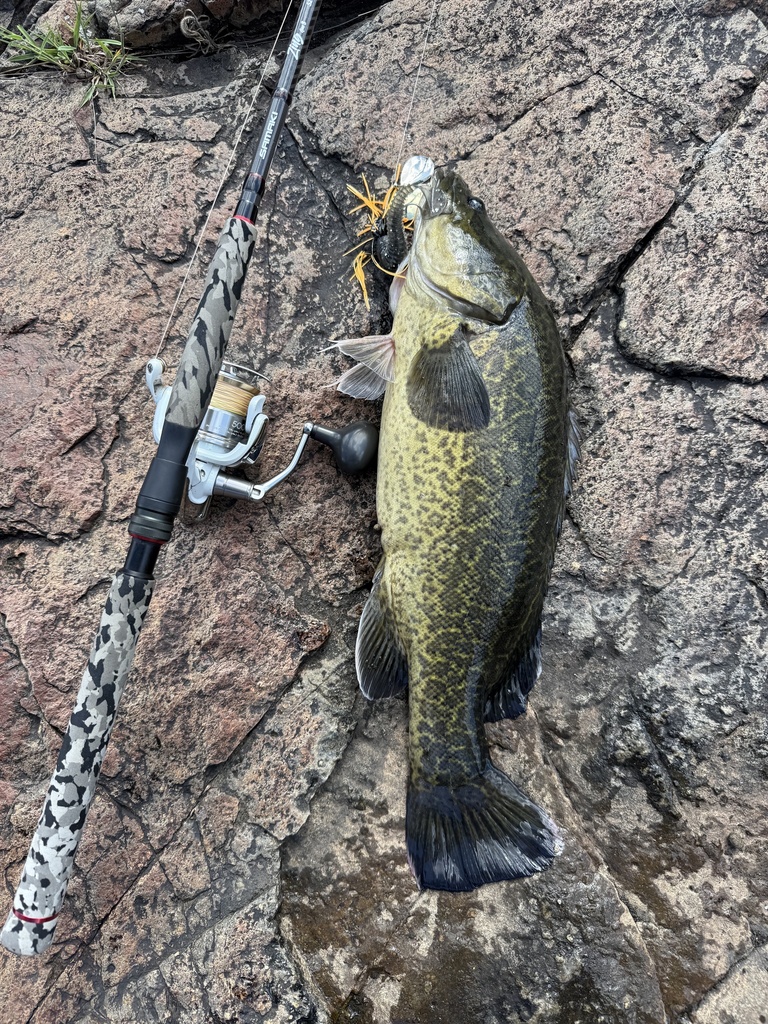
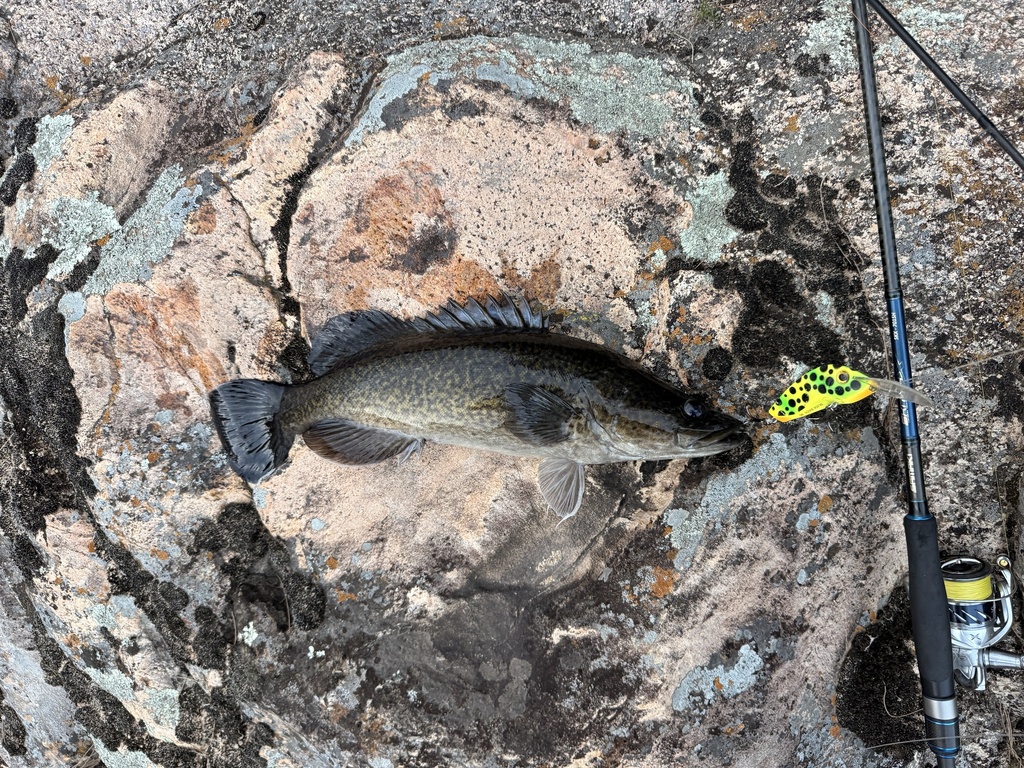
Fish photographed in Australia and shared on iNaturalist and Wikimedia Commons. Got a better one? Put it in a dispatch.
Handling & release
- Use a big rubber-mesh net, or lip-grip the fish and support its body — never hang a big cod vertically by the jaw.
- Keep it in the water while you unhook it, and have pliers ready.
- For a photo, cradle the fish horizontally with one hand under the belly. Count to ten out of the water, then put it back.
- Hold it facing into a gentle current until it kicks away on its own.
- Deep-hooked on bait? Cut the line as close as you can rather than ripping the hook out.
On the table
Murray cod is excellent eating — firm white fillets with a clean, rich flavour. Medium fish within the slot are the ones to keep; big fish can taste muddy and matter far more as breeders. Many cod anglers now release everything.
Rules & seasons
- NSW & Vic — closed 1 Sep to 30 NovNo taking or targeting cod in inland waters during the spawning closure. In NSW, Copeton and Blowering dams stay open year-round. In Victoria, 2026 fisheries notices give year-round seasons in several lakes (including Eppalock, Cairn Curran, Nillahcootie, Eildon Pondage, Ouyen Lake, Lake Lascelles and Willow Lake) — notices expire, so confirm before you go.
- QLD — closed 1 Aug to 31 OctApplies to Queensland's Murray–Darling waters, except Connolly, Cooby, Coolmunda, Glenlyon, Leslie and Storm King dams. Minimum 60 cm, possession limit 2.
- SA — no targeting 1 Aug to 31 DecRiver Murray proper and Lakes Alexandrina and Albert. Catch-and-release is permitted from 1 January to 31 July.
Checked October 2026. Rules change and vary between waters — confirm with the state agency before you fish: NSW · VIC · QLD · SA · ACT
Murray cod: questions
When is Murray cod season?
In NSW and Victoria the season runs from 1 December to 31 August, with a spawning closure from 1 September to 30 November. Queensland and South Australia have different dates — see Rules & seasons above.
How big do Murray cod get?
Most cod caught are 50–90 cm. Fish over a metre are caught every season, and the species has been recorded at 1.8 m and over 100 kg.
What's the best lure for Murray cod?
A slow-rolled spinnerbait past timber catches cod everywhere. Deep hard-bodies for trolling, and surface lures on summer nights, are close behind.
Can I keep a Murray cod?
In most places yes, within a slot limit and a daily bag — but limits differ by state and some waters are catch-and-release. Check the current rules before you keep one.
Latest Murray cod dispatches
All →No murray cod dispatches yet. Be the first to write one