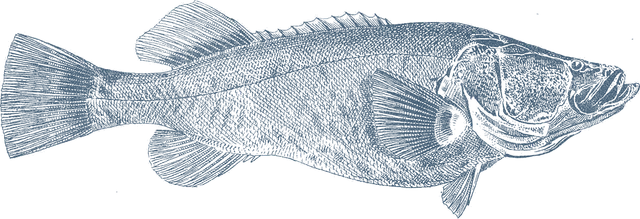

Barramundi
Where they live


- Size
- Commonly 55–90 cm; impoundment fish over 1.2 m turn up every year.
- Where
- QLD · NT · WA
- Habitat
- Northern rivers, floodplains, billabongs and estuaries from the Kimberley to central Queensland, plus heavily stocked dams such as Tinaroo, Awoonga, Monduran and Peter Faust.
- When
- Impoundment barra fire through spring and summer and go quiet when the water cools. Wild fish run with the wet-season floods.
- Lifespan
- 20 years and more.
- Diet
- Fish (mullet, bony bream, garfish), prawns, cherabin, crabs and insects. Big barra eat almost anything.
- Breeding
- Through the build-up and wet season, roughly October to February, near river mouths and coastal flats.
- Sex change
- Most barra start life as males and change to females later, usually from about 5 years and 80 cm.
- Eating
- Excellent — especially wild saltwater and tidal-river fish.
Drainage map
- Carpentaria Coast
- North East Coast
- Pilbara–Gascoyne
- Tanami–Timor Sea Coast
Shaded by drainage division — the area draining to one sea or basin. Barramundi live somewhere in each shaded division, not everywhere in it.
Boundaries: ABS · CC BY 4.0
The fish
Barramundi are the north's great sportfish: big, powerful, and famous for jumping clean out of the water with gills flaring. They live from the coastal flats and estuaries to far up the rivers and out on the floodplains, and they've been stocked into impoundments right down the Queensland coast.
Their life follows the wet season. Adults spawn near the river mouths in the build-up and wet; the young move into flooded swamps and backwaters to grow. As the floodplains drain at the end of the wet — the run-off — barra gather at creek mouths and drains to ambush the bait being flushed out. Some of the best wild barra fishing of the year happens then.
Barra are ambush predators. They sit in cover — snags, lily pads, rock bars, weed edges and drop-offs — facing into the current and waiting for prey. They feed hardest at dawn, dusk and through the night, and on the big tides in rivers.
Most barra begin life as males and later change to females, so the biggest fish are almost all breeding females — part of the reason for the 120 cm maximum size in Queensland.
Telling them apart
- Big, silvery body; bronze-green to grey on the back in fresh water, brighter silver in salt.
- Huge mouth with the jaw reaching well past the eye.
- Concave forehead and pointed head.
- Eye glows red-gold in light.
- Rounded tail, and a spiny first dorsal fin nearly separate from the soft second dorsal.
How they're fished
Hard-bodies and soft plastics around timber, weed edges and points; slow-rolled swimbaits; trolling the drop-offs in dams. Wind-blown banks and the hours around dusk and dark are prime in impoundments.
When: Impoundment barra fire through spring and summer and go quiet when the water cools. Wild fish run with the wet-season floods.
Tips from the water
- Crocodile country: stay back from the water's edge, never clean fish at the bank, and don't wade in the NT or north Queensland.
- In dams, fish wind-blown banks, points and weed edges — the bait gets pushed there and the barra follow.
- Slow down. A suspending lure paused in front of a barra is often eaten on the pause.
- Fish the tide in rivers: the run-out tide at creek mouths and drains is prime.
- Night fishing on full-moon nights in impoundments produces many of the biggest fish.
- Use strong hooks and set your drag firm — barra will smash cheap trebles and head for the snags.
- Rod
- 6'6"–7' baitcaster or spin rod, 6–10 kg; heavier for big dam fish around timber.
- Reel
- Baitcaster or 3000–4000 spin reel with a strong drag.
- Line
- 30–50 lb braid.
- Leader
- 50–80 lb monofilament — barra have abrasive jaws and gill rakers.
- Suspending and shallow-diving hard-bodies, 90–130 mm
- Paddle-tail soft plastics, 4–6 in
- Weighted swimbaits
- Deep divers trolled along drop-offs in dams
- Surface walkers and poppers in calm water
- Flies: big baitfish patterns and deer-hair poppers
- Live mullet
- Live prawns
- Cherabin (freshwater prawns)
- Bony bream
Through the year
- Feb–MayThe run-off in the NT and the Gulf: fish creek mouths and drains as floodplains empty. Dam barra are still on.
- Jun–AugThe dry. Cooler water slows dam barra; fish the warmest afternoons. Clear-water river and billabong fishing in the NT.
- Sep–OctThe build-up: water warms and barra fire up in dams and rivers alike.
- Nov–JanClosed on Queensland's east coast, except in exempt stocked impoundments. Wet season in the NT.
Waters to know
| Water | State | Why |
|---|---|---|
| Lake Tinaroo | QLD | Atherton Tableland — the original impoundment barra fishery. |
| Lake Awoonga | QLD | Near Gladstone; famous for very big fish. |
| Lake Monduran (Fred Haigh Dam) | QLD | Near Gin Gin; a trophy barra lake. |
| Peter Faust Dam (Lake Proserpine) | QLD | Whitsundays; huge stocked barra. |
| Fitzroy River | QLD | Rockhampton's tidal barra river. |
| Mary River and Shady Camp | NT | Classic Top End run-off water. |
| Daly River | NT | One of the Territory's best-known barra rivers. |
| Corroboree Billabong | NT | Floodplain billabong near Darwin. |
| Ord River | WA | East Kimberley barra. |
Access, boating and bait rules differ from water to water — check before you go.
Barramundi in Australian water
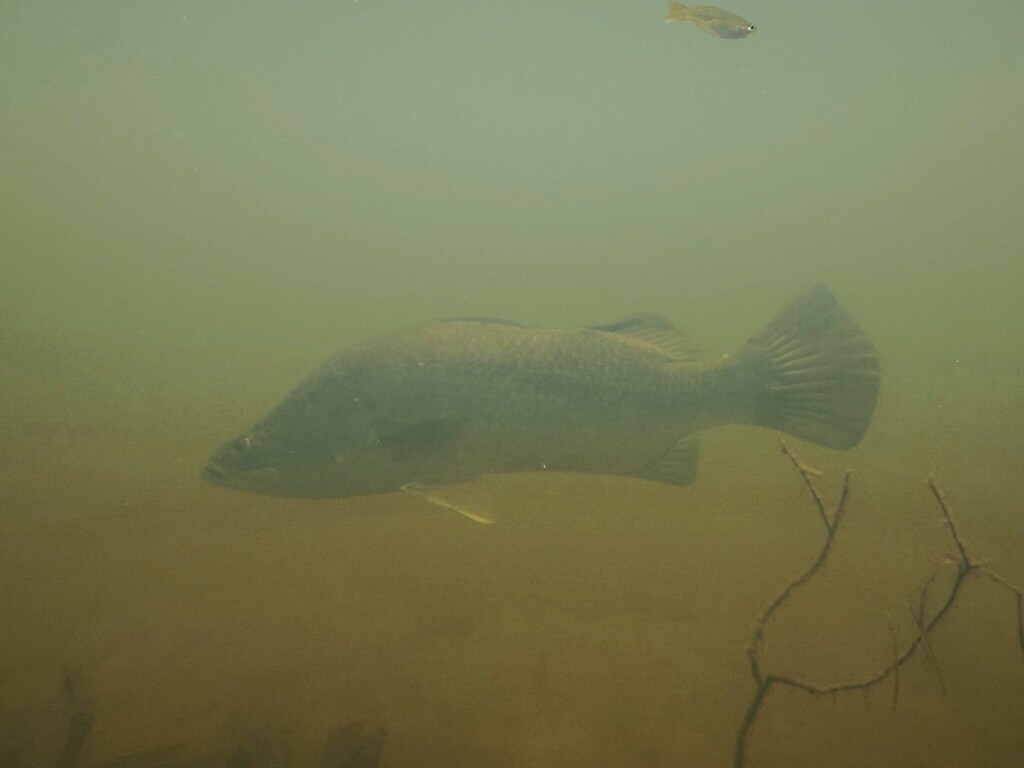
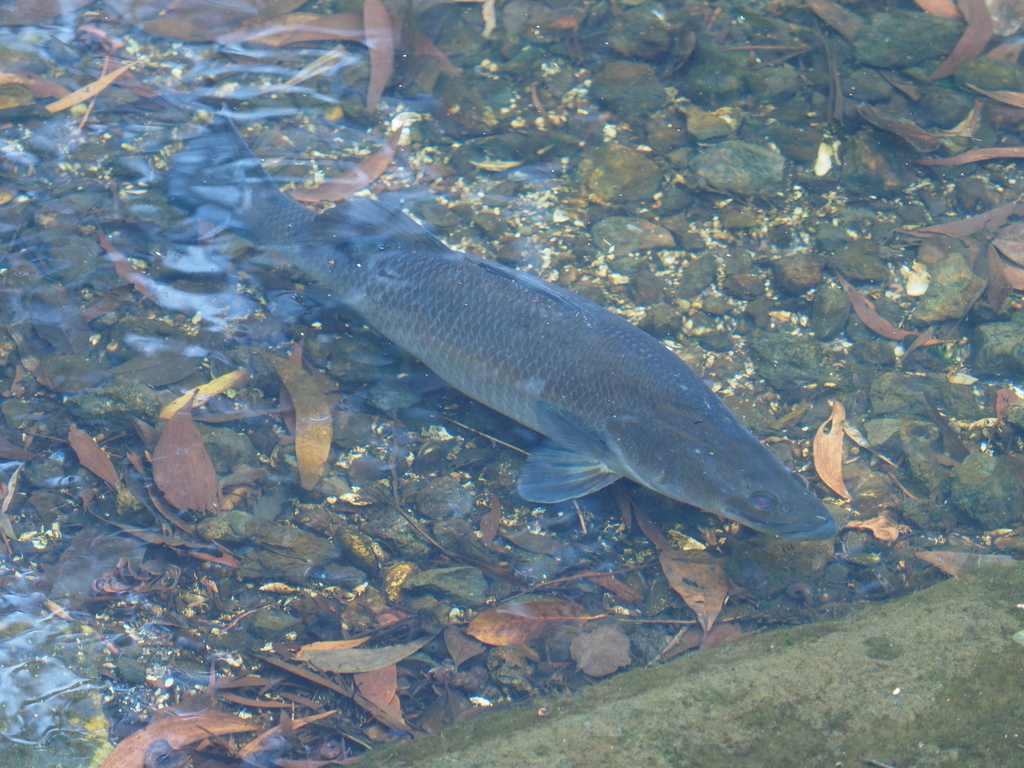
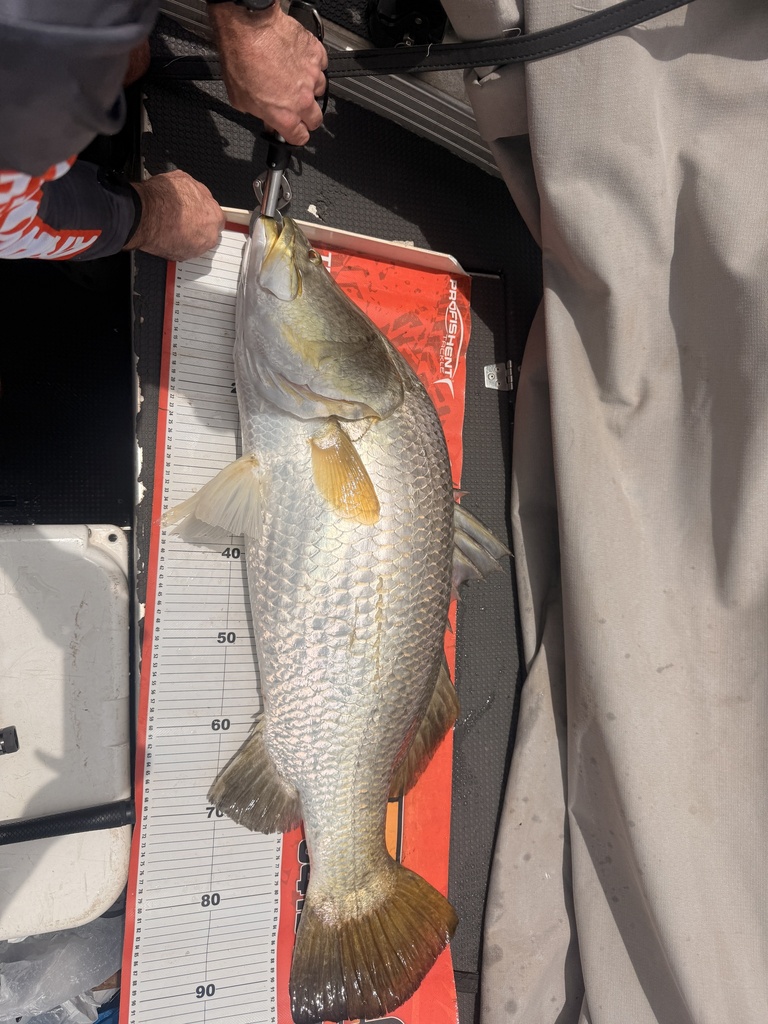
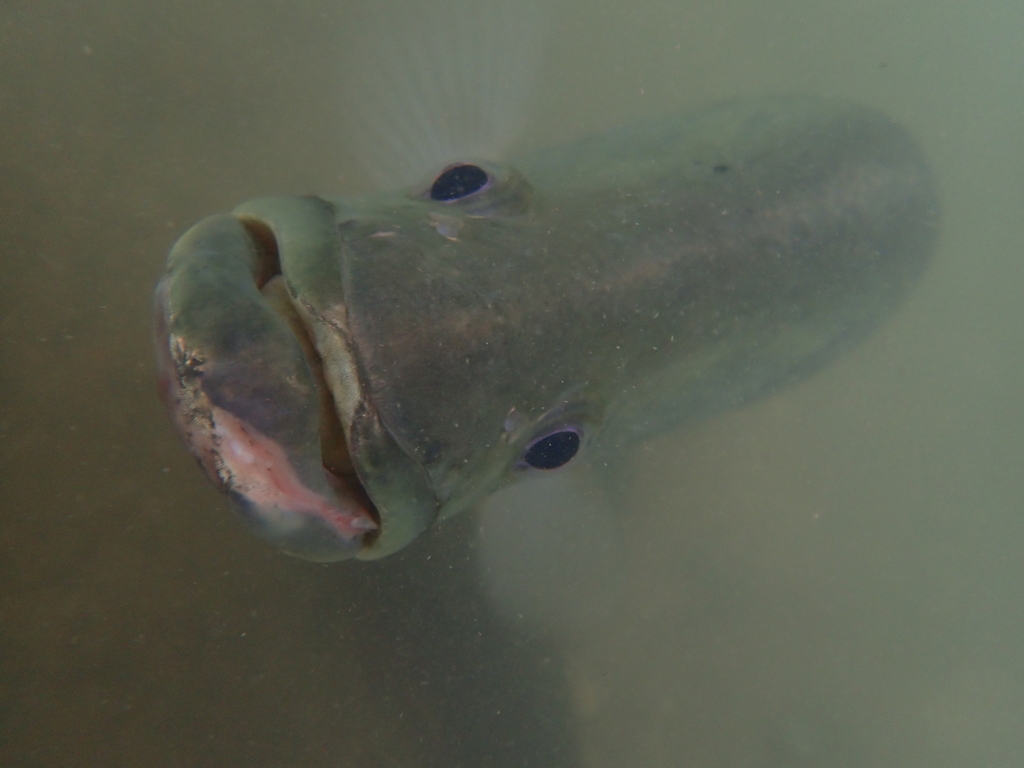
Fish photographed in Australia and shared on iNaturalist and Wikimedia Commons. Got a better one? Put it in a dispatch.
Handling & release
- Barra are tough, but big fish should be supported horizontally — never held only by the jaw.
- Use a lip-grip and support the belly for photos.
- Revive them in the water until they swim off strongly.
On the table
Barramundi is one of Australia's best-known table fish. Wild fish from salt and tidal water are the best; fish from muddy billabongs or very warm water can taste weedy. Keep fish within the slot and release the big females.
Rules & seasons
- QLD east coast — closed midday 1 Nov to midday 1 FebNo take, and no catch-and-release targeting, outside exempt stocked impoundments. In exempt waters during the closure: 1 per person, 2 per boat. Otherwise 58–120 cm, possession 5 (10 per boat with two or more anglers).
- NT & WASeasonal spawning closures apply in some areas — check the NT and WA fisheries rules for the water you're fishing.
Checked October 2026. Rules change and vary between waters — confirm with the state agency before you fish: QLD · WA · NT
Barramundi: questions
When is barramundi season?
On Queensland's east coast, barra are closed from midday 1 November to midday 1 February, except in exempt stocked dams. The NT and WA have their own rules — see Rules & seasons above.
What's the best lure for barramundi?
Suspending hard-bodies and paddle-tail soft plastics work everywhere. In dams, slow-roll a swimbait along weed edges and points.
Are there crocodiles where barramundi live?
In the NT, the Kimberley and north Queensland, yes. Saltwater crocodiles live in rivers and billabongs. Stay back from the edge and never clean fish at the water.
How big do barramundi get?
Commonly 55–90 cm, with impoundment fish over 1.2 m caught every year.
Latest Barramundi dispatches
All →No barramundi dispatches yet. Be the first to write one